
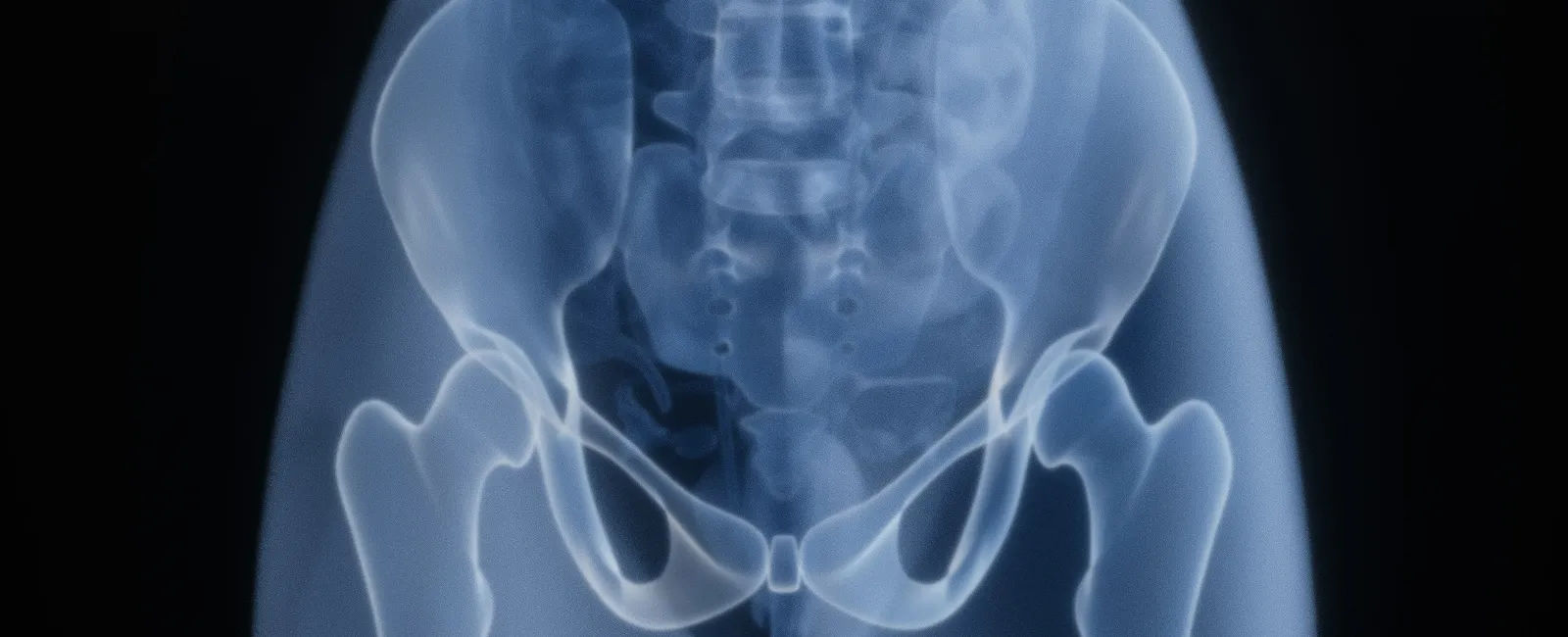
A Targeted, Minimally Invasive Radiation Option
For men diagnosed
with localized prostate cancer, brachytherapy is one of the most
well-established radiation treatment options available. Unlike external beam
radiation, which delivers energy from outside the body, brachytherapy places
the radiation source directly inside the prostate gland. This internal approach
delivers a highly concentrated, precisely targeted dose of radiation at the
site of disease, with substantially reduced exposure to surrounding healthy
tissue.
What Is Brachytherapy for Prostate Cancer?
Brachytherapy is a
form of internal radiation therapy. The word "brachy" derives from
the Greek word for short distance, reflecting the fact that the radiation
source is placed in close proximity to the tumor rather than delivered from an
external machine.
For prostate cancer,
low-dose rate (LDR) brachytherapy involves implanting tiny radioactive seeds,
each approximately the size of a sesame seed, directly into the prostate gland.
These seeds emit radiation continuously over several weeks, targeting cancer
cells while minimizing dose to the bladder, rectum, and surrounding structures.
There are two
primary types of prostate brachytherapy:
- Low-Dose-Rate (LDR)
Brachytherapy: Radioactive seeds, most commonly containing Palladium-103 or
Iodine-125, are permanently implanted in the prostate. The seeds emit a
low, continuous dose of radiation over weeks to months. Once the
radioactive material is depleted, the seeds remain in place permanently
but are no longer active. LDR brachytherapy is completed in a single
outpatient procedure and is the most widely used form for localized,
low-to-intermediate-risk prostate cancer.
- High-Dose-Rate (HDR)
Brachytherapy: A radioactive source is temporarily inserted into the prostate
through thin catheters and then removed after each session. HDR
brachytherapy is typically reserved for higher-risk prostate cancer or
used in combination with external beam radiation therapy (EBRT).
At Atlanta Prostate
Center, our board-certified urologists specialize in LDR brachytherapy,
offering intraoperative real-time adaptive planning that enables
millimeter-level precision in seed placement customized to each patient's
anatomy.
Who Is a Candidate for Brachytherapy?
LDR brachytherapy is
most appropriate for men with low-to-intermediate-risk, localized prostate
cancer, meaning the cancer has not spread beyond the prostate gland. Candidate
evaluation includes a thorough review of:
- PSA levels and PSA density
- Gleason score and grade group
from biopsy pathology
- Prostate cancer volume and anatomy on
imaging
- Urinary function and symptom
score
- Overall health status and medical
history
Brachytherapy may
not be recommended for men with significantly enlarged prostates, severe
pre-existing urinary obstruction, or higher-risk disease features that require
a combined treatment approach. A consultation with a urologist is essential to
determine whether brachytherapy is the right fit for an individual's diagnosis
and goals.
What to Expect in Brachytherapy for Prostate Cancer
One of the
distinguishing advantages of LDR brachytherapy is its streamlined, outpatient
process. Here is what patients can expect from consultation through recovery.
Consultation and Evaluation
Before any
procedure, the treating physician reviews all diagnostic information, including
PSA levels, biopsy pathology, MRI imaging, and overall health history. If
brachytherapy is appropriate, a volume study using transrectal ultrasound
(TRUS) is performed to map the prostate's exact dimensions. This imaging data
forms the foundation of the treatment plan.
Treatment Planning
Using the ultrasound
data, the care team develops a customized seed implantation plan specifying the
number, type, and precise placement of each radioactive seed. This planning
step is critical to ensuring accurate, effective radiation delivery while protecting
adjacent structures such as the urethra, bladder neck, and rectum.
The Procedure
On the day of
treatment, the patient receives anesthesia. The physician uses real-time
ultrasound guidance to insert thin needles through the perineum and place the
radioactive seeds directly into the prostate tissue. The entire procedure
typically takes between 30 and 60 minutes, and most patients are discharged the
same day.
Recovery
Recovery from LDR
brachytherapy is generally brief. Most men are able to return to light daily
activities within one to two days. Some temporary urinary symptoms, including
increased frequency, urgency, or mild discomfort, are common in the weeks
following the procedure and typically resolve over time. During the period of
seed activity, patients are advised to follow specific precautions, such as
limiting prolonged close contact with pregnant women and young children and
using a condom during sexual activity as a short-term precautionary measure.
How Successful Is Brachytherapy for Prostate Cancer?
Brachytherapy has a
well-documented record of long-term cancer control in appropriately selected
patients. For men with low-risk localized prostate cancer, 10-year and 15-year
biochemical disease-free survival rates are comparable to those achieved with radical
prostatectomy and external beam radiation therapy.
Several factors
contribute to the effectiveness of modern LDR brachytherapy:
- Dose escalation: Brachytherapy allows radiation
dose to the prostate to be significantly higher than what is typically
achievable with external beam radiation alone, which is associated with
improved long-term cancer control rates.
- Real-time adaptive planning: Intraoperative imaging allows
the physician to refine seed placement during the procedure itself,
optimizing dose distribution based on the patient's actual anatomy in real
time.
- Targeted delivery: Because the radiation source is
placed inside the prostate, surrounding healthy tissue receives
substantially less radiation compared to external beam approaches.
For higher risk disease,
brachytherapy is often combined with external beam radiation therapy and, in
some cases, androgen deprivation
therapy (ADT) to achieve optimal outcomes. The appropriate approach depends on each
patient's risk category, Gleason score, and clinical staging.
Potential Side Effects of Brachytherapy
Like all prostate
cancer treatments, brachytherapy carries potential side effects. Understanding
these helps patients make fully informed decisions about their care.
The most common side
effects involve urinary function. Increased frequency, urgency, and a
temporarily weakened urinary stream are frequently reported in the first one to
six months following the procedure. The majority of men see significant
improvement as the seeds' radiation activity diminishes over time. A small
percentage of patients may require temporary catheterization for urinary
retention in the immediate post-procedure period.
Bowel-related side
effects are generally less common with brachytherapy than with external beam
radiation, given the localized nature of the treatment. Mild rectal irritation
is possible but typically transient. To reduce the risk of radiation effects on
the rectum, Atlanta Prostate Center offers and recommends rectal spacing, a
minor procedure that uses a biocompatible hyaluronic gel to protect the rectum.
It stays in place during the treatment and the body reabsorbs it within 6 to 9
months.
Erectile function
may be affected, particularly in older men or those with pre-existing
dysfunction. Unlike the more immediate impact seen with robotic prostatectomy, radiation-related erectile
dysfunction from brachytherapy tends to develop gradually over time. Seed
migration, where seeds occasionally shift from their original placement, is
rare and seldom affects treatment outcomes.
Long-term serious
complications are uncommon when brachytherapy is performed by an experienced
team with precise, individualized treatment planning.
Conclusion
Brachytherapy for
prostate cancer is a proven, minimally invasive treatment that delivers
targeted radiation therapy directly to the site of disease. For appropriately
selected men, it offers long-term cancer control rates comparable to surgery, a
brief recovery period, and a manageable side effect profile. Understanding the
full range of available options, and how each aligns with your specific
diagnosis and quality-of-life goals, is the essential first step in making a
confident treatment decision.